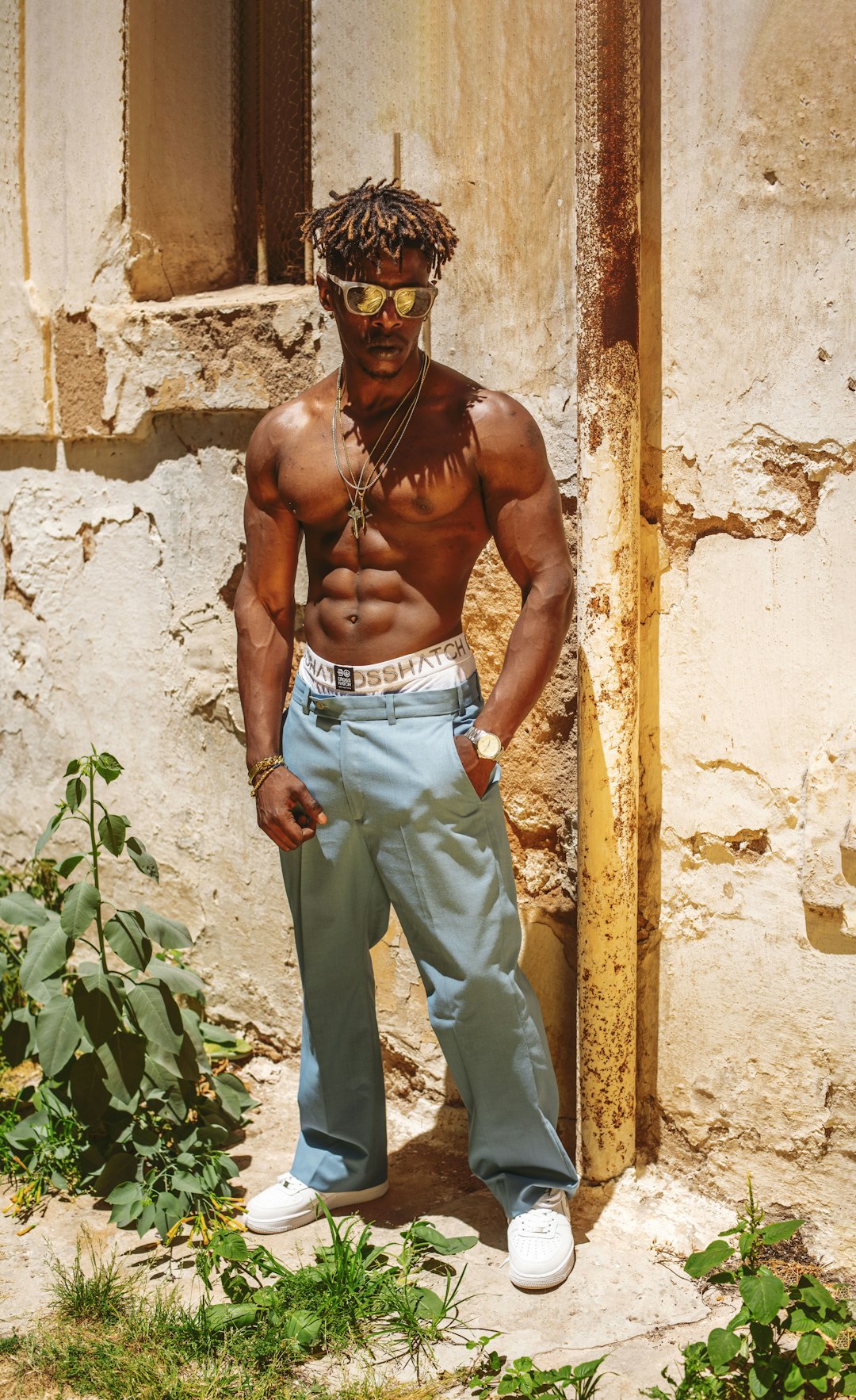
One of the earliest strategic decisions a model makes is which path to pursue. High-fashion catwalks offer prestige and global visibility, while commercial campaigns deliver consistent bookings and brand partnerships. Neither route is objectively better—the right choice depends on your look, personality, and business goals. This guide breaks down the nuances so you can invest your energy where it will pay off most.
Understand the Core Differences
Fashion (editorial/runway) focuses on artistry and storytelling. Models become living canvases for avant-garde design, often pushing boundaries in styling and movement. Commercial modeling speaks to everyday consumers and highlights relatability, warmth, and product benefits. Knowing the target audience clarifies how you should present yourself in castings and portfolios.
Fashion Snapshot
- Height range typically 5'9"–6'0" (women) and 6'0"–6'2" (men)
- Sample size requirements are strict
- Bookings tied to seasonality (Resort, Couture, FW/SS)
- High editorial exposure but unpredictable income
Commercial Snapshot
- Flexible sizing and broader age range
- Focus on expression, charisma, and lifestyle appeal
- Campaigns run year-round across multiple industries
- Higher likelihood of recurring clients and residuals
Evaluate Requirements and Training
Fashion models invest heavily in runway coaching, editorial posing, and stamina for back-to-back fittings. Commercial models hone acting skills, improv, and script delivery for video spots. Both tracks demand professionalism and time management, but the technical competencies differ. Audit your natural strengths, then choose classes that sharpen the skills casting directors expect.
Compare Earning Styles
Runway shows in Dubai or Paris may pay less per day than a global beauty contract, but the exposure can lead to luxury endorsements. Commercial work—think telecom, automotive, hospitality—often includes usage fees and renewals. Review contracts with your agent to understand exclusivity clauses, buyouts, and residual structures before committing to either track.
Consider Lifestyle and Travel
Fashion seasons require international travel on tight notice. Days are long, sleep is short, and wardrobe changes are constant. Commercial shoots are typically localized, with predictable call times and brand teams you see repeatedly. Reflect on how much spontaneity you enjoy, how you handle jet lag, and whether you prefer a structured routine.
Blend Paths Strategically
Many top earners mix both disciplines. You might walk select couture shows for credibility while centering your income on commercial beauty campaigns. The key is intentional branding—keep your portfolio segmented so clients immediately see the version of you that applies to their project.
Decision Framework
- List your top five dream clients and note whether they hire fashion or commercial talent.
- Assess travel flexibility, fitness regimen, and financial runway for slower seasons.
- Ask your agent which category currently has higher demand for your look.
- Test both lanes through targeted test shoots, then analyze which images generate callbacks.
Conclusion
Choosing between commercial and fashion modeling is about alignment, not luck. When your brand promise matches the expectations of casting directors, you book more consistently and enjoy the work. Stay curious, gather feedback from every audition, and pivot when data shows a better lane.
Unsure where you fit? Schedule a strategy session with Top Dubai Elite. We evaluate your digitals, walk, and market positioning to help you map the route that maximizes visibility and revenue.
← Back to Blog